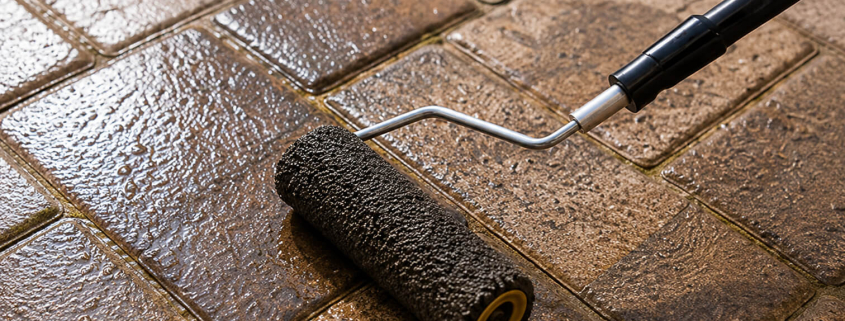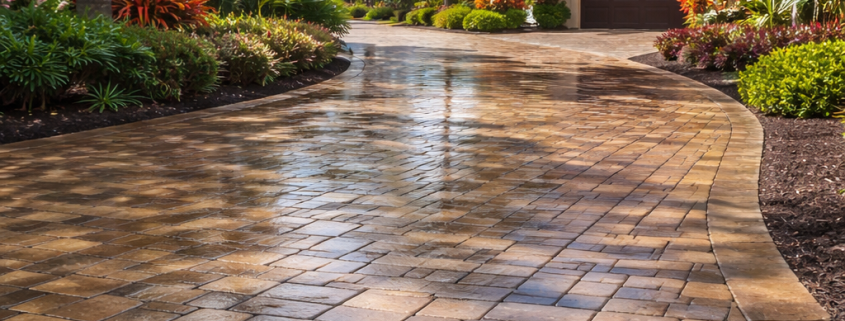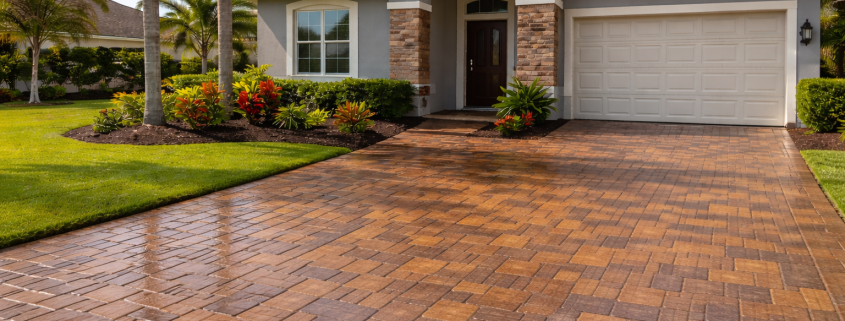
Professional paver sealing can transform the look of your driveway, patio, walkway, or pool deck. But before sealing begins, the surface needs to be properly prepared.

Good preparation helps the sealer bond correctly, improves the finished appearance, and reduces the risk of problems like cloudiness, uneven shine, trapped dirt, or poor curing.

At Paver Rescue LLC, we handle the professional cleaning, sanding, and sealing process. However, there are a few simple things homeowners can do before the appointment to help the project go smoothly.

Remove Vehicles from the Driveway

If your driveway is being sealed, move all vehicles before the project begins. The surface needs to be fully accessible for cleaning, sanding, and sealing.

It is also a good idea to park vehicles somewhere else until the sealer has dried and cured enough for traffic.

Move Outdoor Furniture and Decor

For patios and pool decks, remove furniture, grills, planters, umbrellas, toys, and decorations from the area. This allows the full surface to be cleaned and sealed evenly.

If items are too heavy, ask the team ahead of time what can be moved safely.

Turn Off Sprinklers

Sprinklers should be turned off before and after sealing. Water on the surface can affect cleaning, drying, and sealer curing.

This is especially important in Florida, where moisture and humidity already play a major role in sealing results.

Keep Pets Away from the Work Area

Pets should be kept indoors or away from the surface during the cleaning and sealing process. This protects both the pets and the finished surface.

Mention Stains or Problem Areas

If you know about oil stains, rust marks, drainage issues, loose pavers, or areas with heavy algae, mention them before the project begins. This helps the team inspect and address the surface properly.

Allow Proper Drying and Cure Time

After sealing, avoid walking, driving, or placing furniture back too soon. Your contractor will let you know when the surface is ready for use.

Professional Preparation Makes the Difference

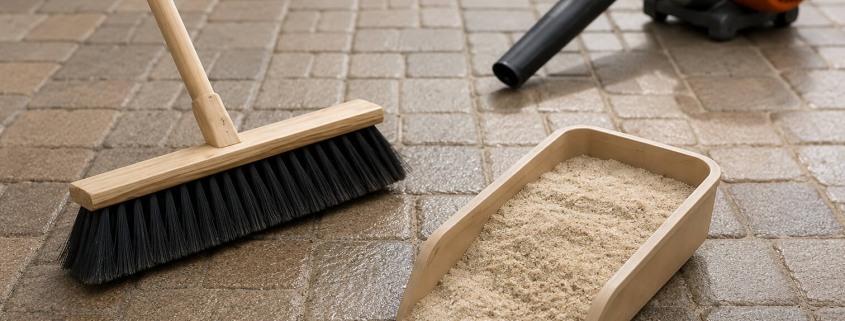
The most important preparation steps are professional cleaning, joint sanding, and proper sealer application. These steps help restore and protect your pavers.

Contact Paver Rescue LLC today for professional paver sealing in Tampa, paver sealing in Lutz, paver sealing in Land O’ Lakes, paver sealing in Carrollwood, and nearby areas.

Call 813-391-6159 today to request a free paver sealing estimate.
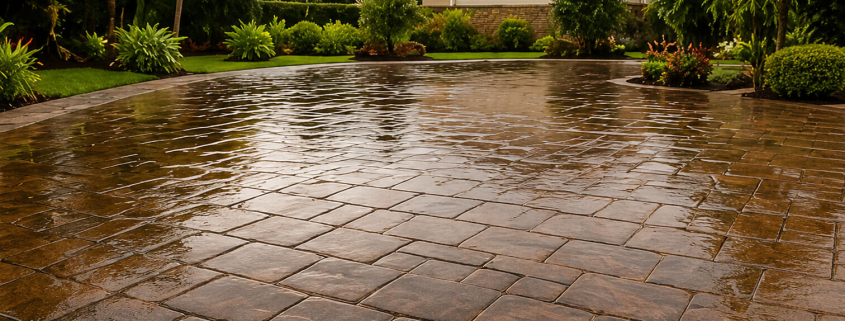
Florida’s rainy season can be tough on outdoor surfaces. Heavy rain, standing water, humidity, algae, mold, and runoff can all affect the look and condition of your pavers.

That is why paver sealing before rainy season is a smart maintenance step for many homeowners.

At Paver Rescue LLC, we provide professional paver cleaning, sanding, sealing, and restoration services designed to help protect driveways, patios, walkways, and pool decks from Florida’s harsh outdoor conditions.

Rain Can Wash Away Joint Sand

Joint sand plays an important role in keeping pavers stable. During heavy rain, water can wash sand out from between the joints. Over time, this can lead to loose pavers, gaps, weeds, and uneven areas.

Before sealing, fresh joint sand can be added to help stabilize the surface.

Moisture Encourages Algae and Mold

Florida humidity creates the perfect environment for algae, mold, and mildew. Shaded patios, pool decks, walkways, and damp driveways are especially vulnerable.

Sealing helps make the surface easier to maintain and can reduce the ability of moisture and organic growth to settle into the pavers.

Rain Can Spread Stains and Dirt

Rainwater can carry dirt, leaves, rust, mulch, and other debris across your pavers. If the surface is unsealed, stains can absorb more easily.

A sealed surface helps improve stain resistance and makes cleanup easier.

Sealing Helps Preserve Appearance

Pavers can fade from sun exposure and look worn after repeated rain and moisture. Professional sealing helps enhance color and protect the surface from weather-related wear.

Why You Should Not Wait Too Long

Waiting until after rainy season may allow more damage to occur. If sand is already missing, weeds are growing, or stains are spreading, restoration may become more involved.

Sealing before heavy rain periods helps protect the pavers before problems get worse.

Get Your Pavers Ready for Rainy Season

If your pavers are faded, dirty, loose, or losing sand, now is a good time to schedule a professional inspection.

Paver Rescue LLC provides professional paver sealing in Tampa, paver sealing in Lutz, paver sealing in Land O’ Lakes, paver sealing in Carrollwood, and nearby areas.

Call Paver Rescue LLC at 813-391-6159 today to request a free paver sealing estimate before rainy season arrives.

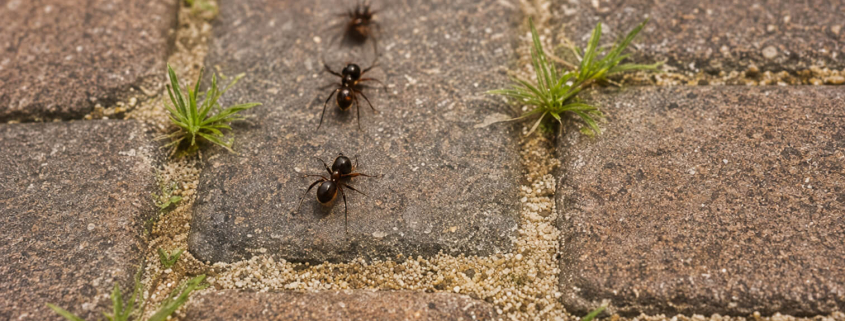
Ants, weeds, and missing joint sand are common problems for paver driveways, patios, walkways, and pool decks. In Florida, these issues can appear quickly because of rain, humidity, soil movement, and outdoor moisture.

Many homeowners ask whether paver sealing can help.

The answer is yes, professional paver sealing can help reduce these problems, especially when it is done as part of a full clean, sand, and seal process. However, sealing is not magic. It works best when the pavers are properly cleaned, the joints are resanded, and the sealer is applied correctly.

Why Weeds Grow Between Pavers

Weeds often grow when dirt, seeds, and organic debris settle into the joints between pavers. Missing or loose joint sand makes it easier for weeds to take root.

Cleaning removes weeds and buildup. Fresh joint sand helps fill the gaps. Sealing helps lock the surface together and reduce future growth.

Why Ants Become a Problem

Ants often build tunnels in loose or sandy areas between pavers. When joint sand is missing, ants may become more active and create small piles of sand on the surface.

Resanding and sealing can help make the joints less inviting and more stable.

Why Joint Sand Loss Happens

Joint sand can wash away because of rain, pressure washing, poor drainage, foot traffic, vehicle traffic, or age. Once sand is missing, the pavers may become less stable.

This is why sanding is such an important part of the process.

How Sealing Helps

Paver sealing helps by:

  • Stabilizing joint sand
  • Reducing weed growth
  • Making the surface easier to clean
  • Helping protect against rain and erosion
  • Improving overall appearance
  • Reducing maintenance needs

Why Cleaning and Sanding Come First

Sealing over weeds, dirt, or empty joints will not solve the problem. The pavers must be cleaned and resanded before sealer is applied.

This creates a cleaner and more stable surface.

Protect Your Pavers with Professional Service

If ants, weeds, or missing joint sand are making your pavers look messy, Paver Rescue LLC can help.

We provide professional paver sealing in Tampa, paver sealing in Lutz, paver sealing in Land O’ Lakes, paver sealing in Carrollwood, and nearby areas.

Call 813-391-6159 today to request a free estimate for paver cleaning, resanding, and sealing.

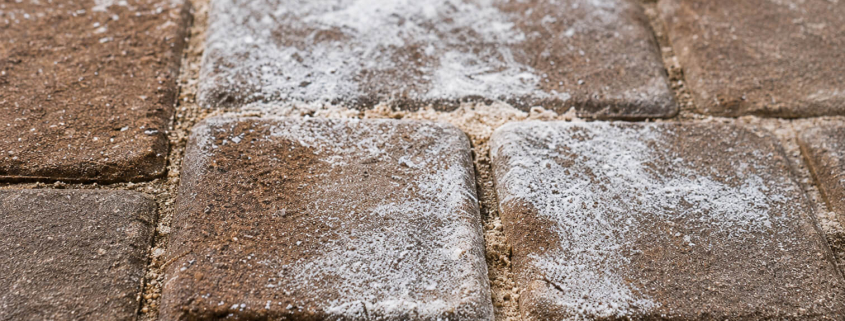
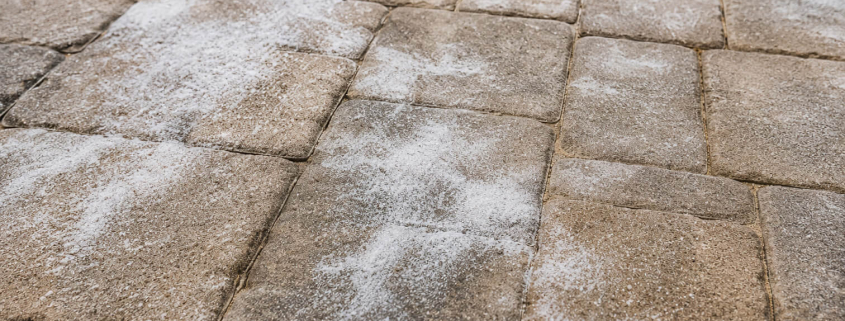
If you have noticed a white, powdery, or chalky substance on your pavers, you may be dealing with efflorescence on pavers. This is a common issue on brick pavers and concrete pavers, especially in outdoor areas exposed to moisture.

While efflorescence can be frustrating, it is not unusual. The key is to treat it correctly before sealing. If sealer is applied over efflorescence, the white residue can become trapped and affect the final appearance.

At Paver Rescue LLC, we inspect and prepare pavers before sealing to help homeowners avoid cloudy, uneven, or poor-looking results.

What Is Efflorescence?

Efflorescence is a white mineral deposit that can appear on the surface of pavers. It happens when moisture moves through the paver material and brings salts or minerals to the surface.

As the moisture evaporates, the white residue remains.

Why Does Efflorescence Happen?

Efflorescence can be caused by:

  • Moisture inside the pavers
  • Rain and humidity
  • Irrigation overspray
  • Drainage issues
  • New paver installation
  • Mineral movement within the paver material

In Florida, outdoor moisture and humidity can make efflorescence more noticeable.

Why You Should Not Seal Over Efflorescence

Sealing over efflorescence can trap the residue under the sealer. This may lead to white haze, cloudy patches, or an uneven finish.

Before pavers are sealed, the surface should be properly cleaned and evaluated.

Can Efflorescence Be Removed?

In many cases, efflorescence can be treated with the right cleaning process. The approach depends on the severity of the issue, the type of pavers, and whether the surface has been sealed before.

Professional help is recommended because harsh cleaning methods can damage pavers or create more problems.

Efflorescence vs. Sealer Haze

Efflorescence and sealer haze can look similar, but they are not always the same issue. Efflorescence on pavers usually comes from minerals and moisture, while sealer haze is often related to application or curing problems.

A professional inspection can help identify the cause.

Prepare Your Pavers the Right Way

If your pavers have white residue, do not rush into sealing. Proper preparation is the key to a better finish.

Contact Paver Rescue LLC today for professional paver sealing in Tampa, paver sealing in Lutz, paver sealing in Land O’ Lakes, paver sealing in Carrollwood, and surrounding areas.

Call 813-391-6159 today to request a free estimate for paver sealing preparation, cleaning, restoration, or repair.

Paver sealing may look simple, but getting professional results takes the right process, product, timing, and experience. When sealing is done incorrectly, pavers can look blotchy, cloudy, slippery, sticky, or uneven.

For Florida homeowners, paver sealing mistakes are especially common because of humidity, rain, heat, algae, weeds, and moisture trapped in the surface.

At Paver Rescue LLC, we help homeowners avoid these problems with professional paver cleaning, sanding, sealing, restoration, and repair services.

Mistake 1: Sealing Dirty Pavers

Sealer should never be applied over dirt, algae, mildew, stains, weeds, or old surface buildup. If the pavers are not cleaned properly, the sealer may trap contaminants and create an uneven finish.

Professional cleaning helps prepare the surface so the sealer can bond properly.

Mistake 2: Skipping Joint Sand

Joint sand helps stabilize the pavers. If sand is missing between the joints, the surface may shift, weeds may grow, and the finished result may not look clean.

A proper clean, sand, and seal process includes replacing joint sand before sealing.

Mistake 3: Applying Sealer Before Pavers Are Dry

Moisture is one of the biggest causes of paver sealing problems. If pavers are still damp, the sealer may turn cloudy or fail to cure correctly.

This is a major concern in Florida because of humidity, sprinklers, rain, and shaded areas.

Mistake 4: Using the Wrong Sealer

Different paver surfaces may need different sealing approaches. Brick pavers, travertine, driveways, patios, and pool decks do not always respond the same way.

Choosing the wrong product can affect appearance, durability, and maintenance.

Mistake 5: Applying Too Much Sealer

A heavy sealer application can lead to cloudy areas, sticky surfaces, uneven shine, or poor curing. The goal is even protection, not excessive product buildup.

Mistake 6: Ignoring Weather Conditions

Rain, extreme heat, or high humidity can affect the sealing process. Professionals plan the project around weather conditions to help protect the final result.

Mistake 7: Walking or Driving Too Soon

Using the surface before the sealer has properly dried can damage the finish. Driveways, in particular, need enough time before vehicle traffic returns.

Avoid Paver Sealing Problems with Professional Help

Professional paver sealing helps protect your investment and reduces the risk of costly mistakes. From cleaning and sanding to product selection and application, every step matters.

Paver Rescue LLC provides professional paver sealing in Tampa, paver sealing in Lutz, paver sealing in Land O’ Lakes, paver sealing in Carrollwood, and nearby areas.

Call Paver Rescue LLC at 813-391-6159 today to request a free paver sealing estimate.

After paver sealing, one of the most common questions homeowners ask is: how long does paver sealer take to dry?

The answer depends on several factors, including the type of sealer, weather conditions, humidity, surface condition, and whether the area is a driveway, patio, walkway, or pool deck.

In Florida, drying time can be affected by heat, rain, humidity, shade, and moisture. That is why professional paver sealing requires proper timing and preparation.

At Paver Rescue LLC, we use a detailed cleaning, sanding, and sealing process to help homeowners protect their outdoor spaces with the right application conditions.

When Can You Walk on Sealed Pavers?

In many cases, homeowners may be able to walk on sealed pavers after the initial drying period. However, exact timing depends on the sealer used and the weather conditions on the day of application.

Pool decks, patios, and walkways may be ready for light foot traffic sooner than driveways. Still, it is best to follow the instructions provided by the sealing professional.

When Can You Drive on Sealed Pavers?

Driveways usually need more time before vehicle traffic is allowed. Cars, trucks, tires, and weight can affect the finish if the sealer has not cured enough.

Driving too soon can leave tire marks, dull spots, or uneven areas. For best results, wait until the surface has had proper curing time.

Why Florida Weather Affects Drying Time

Florida weather can be unpredictable. A sunny morning can quickly turn into an afternoon storm. High humidity can slow drying. Shaded areas may stay damp longer than open, sunny areas.

Common drying factors include:

  • Humidity level
  • Surface temperature
  • Air temperature
  • Rain forecast
  • Shade coverage
  • Sealer type
  • Paver porosity
  • Number of coats applied

What Happens If It Rains Too Soon?

Rain too soon after sealing can affect the finish. It may cause spotting, cloudiness, uneven curing, or washout depending on the product and timing.

This is why professionals check weather conditions before starting a sealing project.

How to Help the Sealer Cure Properly

After sealing, homeowners should:

  • Keep vehicles off the driveway until cleared
  • Avoid moving furniture back too soon
  • Keep sprinklers off
  • Avoid pressure washing
  • Keep pets off the surface during curing
  • Follow professional aftercare instructions

Schedule Professional Paver Sealing

Proper drying and curing are just as important as the sealer itself. With the right timing and application, your pavers can look cleaner, richer, and better protected.

Contact Paver Rescue LLC today for professional paver sealing in Tampa, paver sealing in Lutz, paver sealing in Land O’ Lakes, paver sealing in Carrollwood, and nearby areas.

Call 813-391-6159 today to request a free paver sealing estimate.
Paver sealing should make your outdoor surfaces look cleaner, richer, and better protected. But sometimes homeowners notice the opposite. Instead of a clear, attractive finish, the pavers look white, hazy, cloudy, or blotchy.

This can be frustrating, especially if you recently paid for sealing or tried to do the project yourself.

White or cloudy pavers after sealing are usually a sign that something went wrong during preparation, product selection, or application. At Paver Rescue LLC, we often see these issues when pavers were sealed without proper cleaning, drying, sanding, or professional application.

Common Causes of White or Cloudy Pavers

There are several reasons pavers may look cloudy after sealing.

1. Moisture Was Trapped Under the Sealer

Florida humidity and rain can make paver sealing tricky. If pavers are not fully dry before sealer is applied, moisture can become trapped beneath the surface. This can create a white or cloudy appearance.

2. Too Much Sealer Was Applied

More sealer does not always mean better protection. Applying too much product can prevent the sealer from curing properly. This may leave a hazy, sticky, or uneven finish.

3. The Surface Was Not Cleaned Properly

Pavers must be cleaned before sealing. Dirt, algae, mildew, old sealer, stains, or efflorescence can get trapped under the new sealer and create a poor finish.

4. The Wrong Sealer Was Used

Not all sealers are right for every paver surface. Brick pavers, travertine, driveways, patios, and pool decks may require different preparation and product decisions.

5. The Weather Conditions Were Wrong

Rain, humidity, high heat, and poor drying conditions can all affect the final result. This is one reason professional timing matters in Florida.

Can Cloudy Pavers Be Fixed?

In many cases, yes. The right solution depends on the cause. Some cloudy pavers may need cleaning, stripping, drying, or resealing. Others may need more time to cure.

The most important step is to avoid adding another coat without knowing what caused the problem. Applying more sealer over a bad finish can make the issue worse.

How to Avoid Sealer Haze

The best way to avoid white or cloudy pavers is to use a professional process:

  • Inspect the surface
  • Clean the pavers thoroughly
  • Remove stains, buildup, or old sealer issues
  • Allow proper drying time
  • Resand joints when needed
  • Apply the correct sealer evenly
  • Follow proper curing guidelines

Get Help from Paver Rescue LLC

If your pavers look white, cloudy, or uneven after sealing, Paver Rescue LLC can inspect the surface and recommend the right next step.

We provide professional paver sealing in Tampa, paver sealing in Land O’ Lakes, paver sealing in Carrollwood, FL, and paver sealing in Lutz.

Call 813-391-6159 today to request a free estimate for paver sealing, cleaning, restoration, or repair.

Choosing the right paver sealer finish can make a big difference in how your driveway, patio, walkway, or pool deck looks after sealing. For many Florida homeowners, the two most common options are a matte finish and a wet look finish.

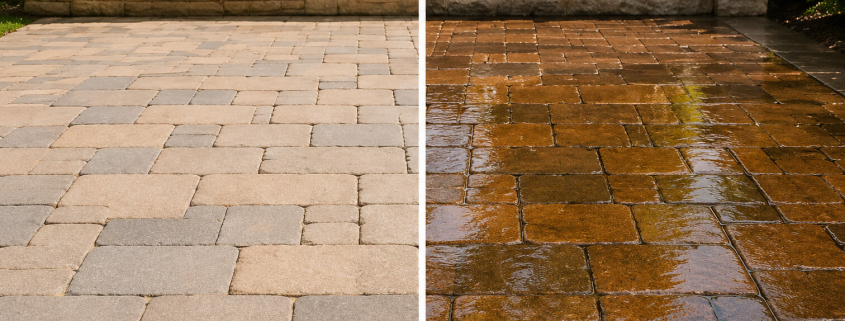
Both can help protect your pavers from fading, stains, weeds, algae, and everyday wear. The main difference is appearance. A matte finish creates a more natural look, while a wet look finish enhances the color and gives pavers a richer, deeper appearance.

At Paver Rescue LLC, we help homeowners choose the right sealer finish based on the condition of their pavers, the surrounding outdoor space, and the final look they want to achieve.

What Is a Matte Paver Sealer Finish?

A matte paver sealer finish gives your pavers a clean, natural appearance without making them look too glossy. It is a great choice for homeowners who want protection without dramatically changing the look of their outdoor surface.

Matte finishes are popular for:

  • Natural outdoor designs
  • Subtle driveway upgrades
  • Walkways and entryways
  • Patios with a softer finish
  • Homeowners who prefer a non-shiny appearance

A matte finish still helps protect the surface, but it keeps the overall look more understated.

What Is a Wet Look Paver Sealer Finish?

A wet look paver sealer is designed to enhance the color of your pavers. It can make faded or dull pavers appear richer, darker, and more vibrant. Many homeowners choose this finish when they want their outdoor surfaces to stand out.

Wet look sealing is commonly used for:

  • Driveway pavers
  • Pool decks
  • Backyard patios
  • Outdoor kitchens
  • Front entryways
  • Decorative brick pavers

This finish is especially helpful when pavers have lost some of their original color from sun exposure.

Which Finish Is Better for Florida Homes?

There is no one-size-fits-all answer. The best finish depends on your style, the type of pavers, and how much color enhancement you want.

A matte finish may be better if you want a clean and natural look. A wet look finish may be better if your pavers look faded and you want more color depth.

Florida sun, rain, humidity, and algae growth can all affect paver appearance over time. No matter which finish you choose, professional cleaning, sanding, and sealing are important for long-lasting results.

Why Professional Application Matters

The finish is only as good as the preparation. If pavers are not cleaned properly before sealing, the final result can look uneven. If joint sand is missing, the surface may not be properly stabilized. If too much sealer is applied, it can lead to cloudy or uneven results.

That is why hiring a professional paver sealing company matters.

Schedule Professional Paver Sealing

Whether you prefer a natural matte finish or a richer wet look finish, Paver Rescue LLC can help restore and protect your pavers.

Call 813-391-6159 today or request a free quote for professional paver sealing in Tampa, Lutz, Land O’ Lakes, Carrollwood, and nearby areas.

https://edis.ifas.ufl.edu/

Your driveway is one of the first things people notice about your home. When driveway pavers are clean, sealed, and well-maintained, they create strong curb appeal. But when they become faded, stained, loose, or filled with weeds, your home’s exterior can quickly look neglected.

So, how do you know if your driveway pavers need sealing?

At Paver Rescue LLC, we help homeowners restore and protect driveway pavers with professional cleaning, sanding, sealing, and repair services.

Your Pavers Look Faded

One of the most common signs that your driveway needs sealing is fading. Florida sun can make pavers lose their rich color over time. If your driveway looks dull or washed out, sealing can help refresh the appearance and protect the surface.

You Notice Oil or Tire Stains

Driveways are exposed to vehicles every day. Oil spots, tire marks, rust, and other stains can settle into unsealed pavers. Sealing helps create a protective barrier that makes stains easier to clean and less likely to penetrate deeply.

Weeds Are Growing Between the Pavers

Weeds between pavers are not only unattractive, but they can also indicate that joint sand is missing or weakened. Before sealing, fresh sand can be added to stabilize the joints and reduce future weed growth.

Joint Sand Is Washing Away

If you see gaps between pavers or loose sand around the driveway, your pavers may need resanding and sealing. Missing joint sand can lead to shifting, uneven areas, and long-term surface issues.

Water Absorbs Quickly

If water soaks into your pavers instead of sitting on the surface briefly, your sealer may be worn down or missing. This can leave pavers more vulnerable to stains, moisture, algae, and weather damage.

Your Driveway Is Harder to Clean

Unsealed pavers tend to collect dirt and stains more easily. If your driveway looks dirty soon after cleaning, sealing may help make maintenance easier.

Driveway pavers take more wear than many other outdoor surfaces. Professional sealing helps protect them from vehicle traffic, Florida weather, stains, fading, and joint sand loss.

Contact Paver Rescue LLC today for a free driveway paver sealing estimate.

best paver sealing florida

Paver sealing and paver restoration are closely related, but they are not the same service. Many homeowners use the two terms interchangeably, especially when their driveway, patio, walkway, or pool deck starts looking faded or dirty. However, understanding the difference can help you choose the right solution for your outdoor space.

At Paver Rescue LLC, we help homeowners protect, restore, and maintain their pavers with professional cleaning, sanding, sealing, and repair services. Whether your pavers need a simple reseal or a more complete restoration, the right process depends on their current condition.

What Is Paver Sealing?

Paver sealing is the process of applying a protective sealer over a clean paver surface. The goal is to protect the pavers from fading, stains, water absorption, weeds, algae, and daily wear.

Sealing is often recommended when pavers are still in good condition but need added protection. It can enhance the color, improve curb appeal, and make the surface easier to maintain.

Paver sealing is commonly used for:

  • Driveways
  • Patios
  • Pool decks
  • Walkways
  • Entryways
  • Outdoor living spaces

What Is Paver Restoration?

Paver restoration is a more complete service. It may include cleaning, stain removal, weed removal, joint sand replacement, minor repairs, and sealing. Restoration is ideal when pavers are already faded, dirty, uneven, stained, or affected by missing joint sand.

If your pavers have not been maintained for several years, sealing alone may not be enough. The surface may need to be cleaned and restored before a sealer is applied.

Signs You May Only Need Paver Sealing

You may only need paver sealing if your pavers are:

  • Still level and stable
  • Lightly faded but not badly stained
  • Recently installed or recently cleaned
  • Free from major weeds or algae
  • Still have enough joint sand

In this case, sealing can help preserve the surface and prevent future damage.

Signs You May Need Paver Restoration

You may need paver restoration if your pavers are:

  • Heavily faded
  • Covered in mold, algae, or mildew
  • Stained by oil, rust, or leaves
  • Missing joint sand
  • Shifting or uneven
  • Full of weeds between joints

Restoration helps bring worn pavers back to a cleaner, stronger, and more attractive condition before sealing.

Which Service Is Right for You?

The best way to know is to have your pavers inspected by a professional. Paver Rescue LLC can evaluate the condition of your pavers and recommend the right service based on appearance, joint stability, drainage, and surface wear.

Protect Your Pavers with Paver Rescue LLC

Whether your outdoor space needs sealing, cleaning, sanding, or full restoration, our team is here to help.

Contact Paver Rescue LLC today for a free estimate and let us help restore and protect your pavers.