Proper paver base preparation Land O’ Lakes homeowners can rely on is one of the most important parts of a long-lasting paver project. Whether you are planning a driveway, patio, walkway, or pool deck, the base underneath your pavers affects drainage, stability, surface level, and long-term durability.

Many paver problems do not start at the surface. They often begin below the pavers with poor compaction, weak base material, bad grading, or drainage issues. In Land O’ Lakes, where heavy rain, sandy soil conditions, and stormwater movement can affect outdoor surfaces, proper base preparation is especially important.

If your pavers are already sinking, shifting, holding water, or losing joint sand, the issue may be connected to the base below the surface. In those cases, professional paver repair in Tampa FL can help identify whether the pavers need leveling, base correction, re-sanding, or restoration.

What Is Paver Base Preparation?

Paver base preparation is the process of building the foundation that supports your pavers. Before pavers are installed, the ground must be excavated, graded, compacted, and prepared with the right base material. This creates a stable layer that helps the pavers stay level and drain properly.

A strong paver base usually includes several important steps:

  • Removing grass, roots, loose soil, and unstable material
  • Excavating to the right depth for the project type
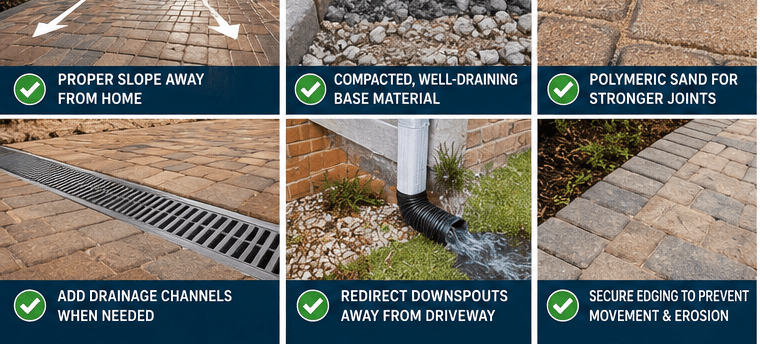
  • Planning the slope for water runoff
  • Adding compacted aggregate base material
  • Creating a smooth bedding layer
  • Installing pavers with proper edge restraint
  • Filling joints with the right sand

Each step matters. If the base is too shallow, poorly compacted, or not graded correctly, even high-quality pavers can fail earlier than expected.

Why Paver Base Preparation Matters in Land O’ Lakes

Land O’ Lakes homeowners often deal with outdoor conditions that make base preparation more important. Rainwater, soil movement, drainage patterns, vehicle weight, and landscape slope can all affect how pavers perform over time.

When the paver base is properly prepared, the surface is more likely to stay level, drain water correctly, and resist shifting. When it is not prepared well, homeowners may start noticing puddles, uneven pavers, sunken sections, loose edges, and washed-out sand.

Pasco County also highlights stormwater management as an important part of protecting local water systems and managing runoff to lakes, rivers, and wetlands. Homeowners can learn more from Pasco County stormwater information.
Common Problems Caused by Poor Paver Base Preparation

A weak paver base can create several visible problems. Some issues appear shortly after installation, while others develop slowly after repeated rain, use, and seasonal weather changes.

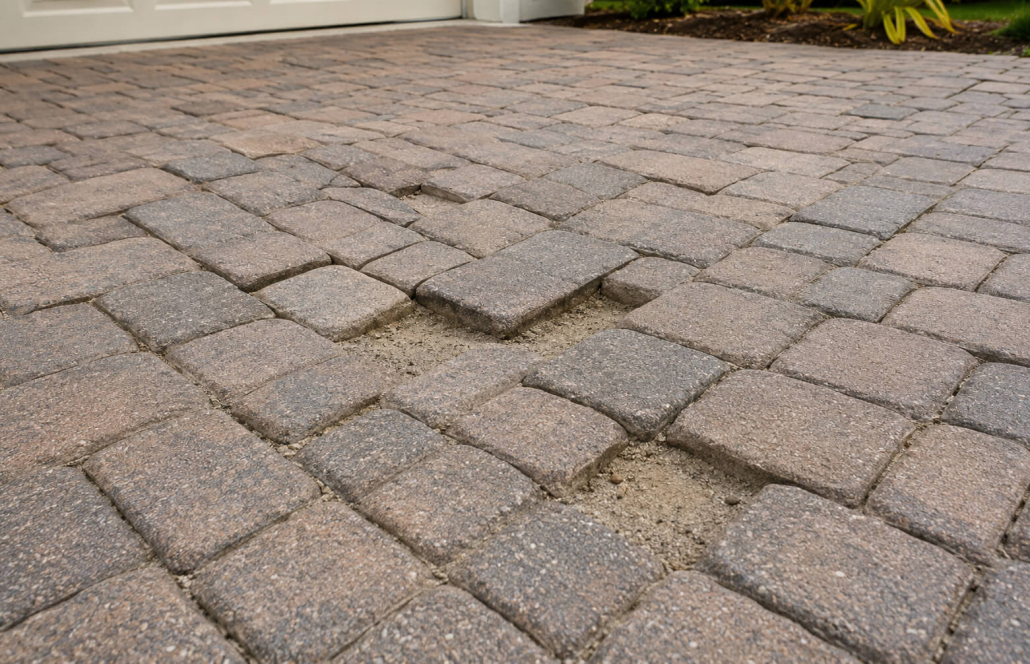
Sunken or Uneven Pavers

Sunken pavers are one of the most common signs of base failure. If the base was not compacted correctly or the soil below it moves, the pavers may begin to settle in low areas.

This is especially common in driveways where vehicles place repeated pressure on the surface. If the base is not deep enough or strong enough for vehicle use, the driveway may develop tire-track depressions or uneven spots.

Standing Water After Rain

Standing water often means the surface does not have the right slope or the base has settled unevenly. Water should move away from the home, driveway, patio, or pool deck instead of collecting in low spots.

If water continues to sit on pavers, it can lead to stains, algae, mildew, slippery areas, and joint sand erosion. The EPA explains that permeable surfaces and stormwater-friendly designs can help reduce runoff by allowing water to move through surface and base layers where appropriate. Homeowners can review the EPA’s permeable pavement guidance for more information.

Joint Sand Washout

Joint sand helps keep pavers stable. When the base or slope allows water to rush through the joints, sand may wash away. Once the joints lose support, pavers can loosen, shift, or become more vulnerable to weeds.

Sand washout is often treated as a surface problem, but the cause may be deeper. If drainage and base preparation are poor, new sand may wash out again.

Loose or Spreading Edges

Edge restraint is another important part of paver base preparation. Without secure edges, pavers can spread outward over time. This can create gaps, uneven borders, and weak areas near driveways, patios, and walkways.

For driveway pavers, edge support becomes even more important because vehicles add pressure to the surface.

Cracked or Rocking Pavers

Pavers may rock when the base below them is uneven. This movement can make the surface feel unstable underfoot or under vehicle tires. Over time, rocking pavers may chip, crack, or create trip hazards.

If your surface already has these issues, visit Paver Rescue LLC’s paver restoration service in Tampa FL page to learn how restoration may help improve damaged or unstable pavers.
How Proper Base Preparation Improves Drainage

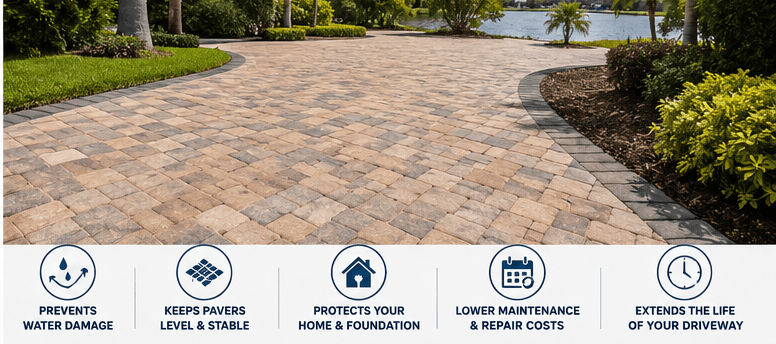
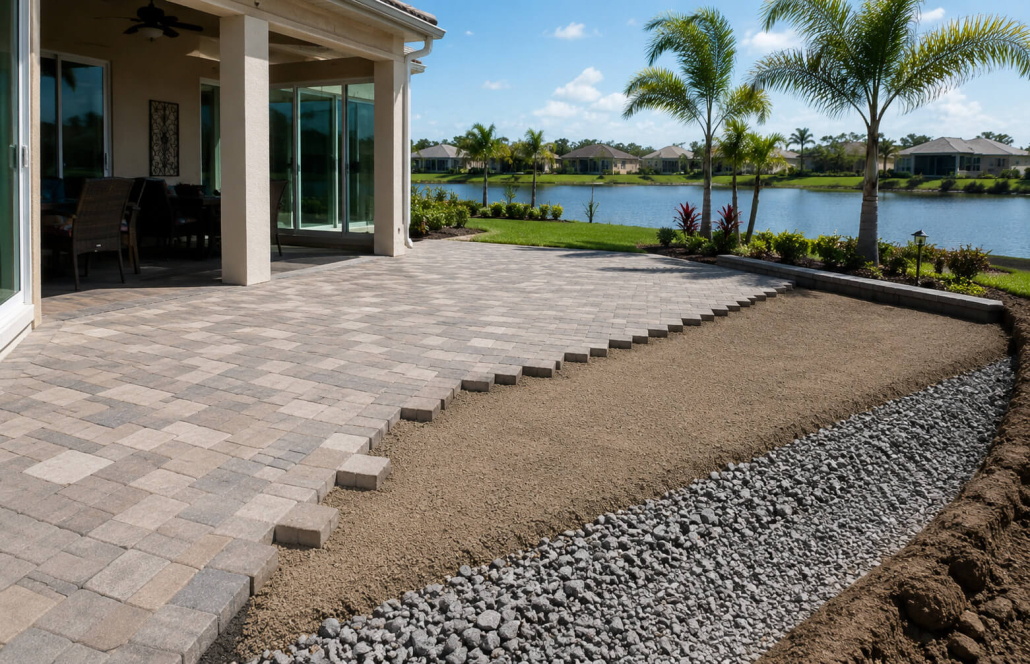
Drainage is one of the biggest reasons proper paver base preparation matters. The base should help support the surface while also allowing water to move correctly.

Good drainage planning starts before the pavers are installed. The installer must consider the slope of the yard, nearby downspouts, soil conditions, driveway pitch, pool deck runoff, and where water should go after rain.

For example, a patio that slopes toward the home can create moisture issues. A driveway with low spots can hold puddles. A pool deck without proper runoff planning can stay slippery or develop stains. Proper grading and base preparation help prevent these problems before they begin.

For broader stormwater education, the EPA’s green infrastructure resources explain how communities use permeable pavement, rain gardens, and other methods to reduce and treat stormwater where it falls.

Base Preparation for Driveways, Patios, Walkways, and Pool Decks

Not every paver project needs the same base. The right preparation depends on how the surface will be used.

Driveway Pavers

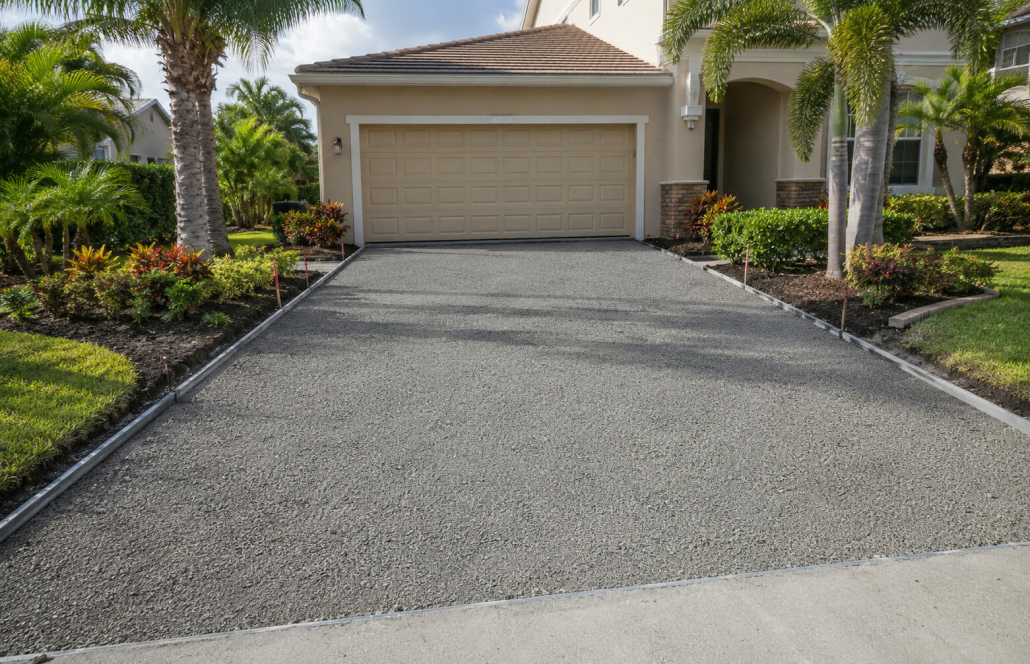
Driveway pavers need a stronger base because they support vehicle weight. If the base is too shallow or poorly compacted, the driveway may settle, shift, or develop low areas.

For new driveway projects, homeowners can review Paver Rescue LLC’s paver installation in Land O’ Lakes page for more information about local installation services.

Patio Pavers

Patios need a stable and comfortable surface for outdoor living. Poor base preparation can cause furniture to sit unevenly, create trip hazards, and allow water to collect near seating areas.

A properly prepared patio base helps the surface stay level and usable after rain.

Walkway Pavers

Walkways need smooth transitions and stable support. If the base fails, walkway pavers may become uneven or unsafe. Proper grading also helps prevent water from collecting along entry paths.

For walkway-specific paver services, visit the walkway pavers Tampa FL service page.

Pool Deck Pavers

Pool deck pavers need careful base preparation because water exposure is constant. Pool splash-out, rain, drainage, and chemical exposure can affect the joints and surface over time.

A stable, well-drained base helps reduce shifting, low spots, slippery areas, and standing water near the pool. Learn more about pool deck services on the pool deck pavers Tampa FL page.
Why Compaction Is So Important

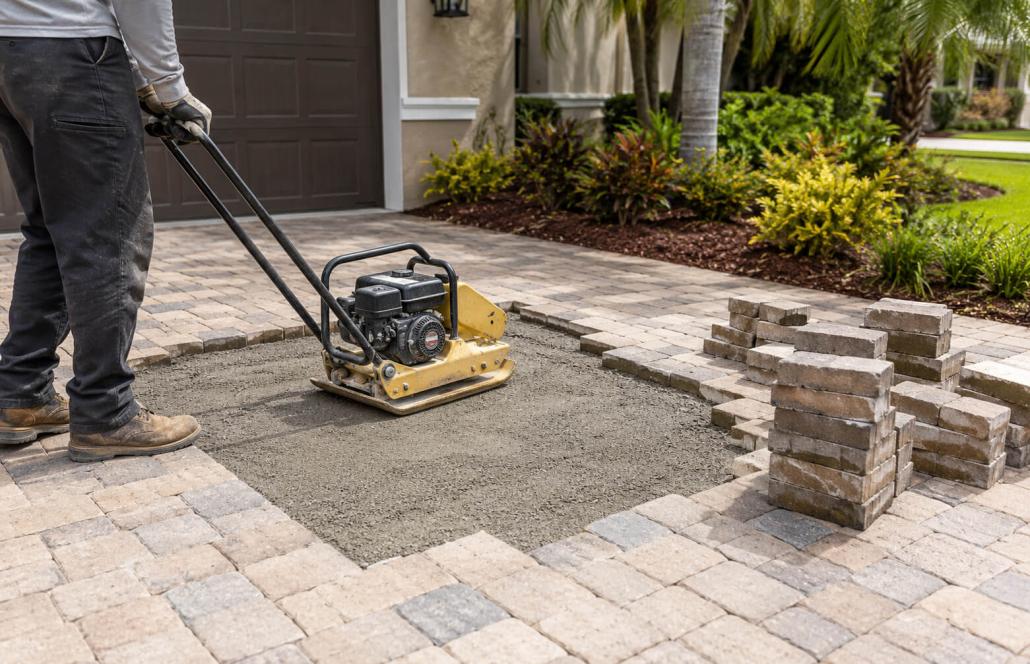
Compaction helps lock the base material into a firm, stable layer. If the base is not compacted properly, it may settle after installation. That settling can create dips, uneven surfaces, and drainage problems.

Compaction should happen in stages, not just once at the end. This helps reduce air pockets and weak areas in the base. It also helps the paver surface support regular use.

Concrete paver industry resources also emphasize the importance of aggregate base, bedding layers, drainage, and support below concrete pavers. The Concrete Masonry & Hardscapes Association provides technical information about interlocking concrete pavement applications.
Why Slope and Grading Should Never Be Ignored

Slope and grading determine how water moves across and away from the paver surface. A surface that looks flat may seem attractive, but it can create drainage problems if water has nowhere to go.

Proper grading helps direct water away from the home, garage, pool area, patio, or walkway. This is especially important in Land O’ Lakes, where heavy rain can quickly expose poor drainage planning.

When grading is ignored, homeowners may notice water pooling near walls, doorways, driveway edges, or landscape beds. Over time, this can weaken the paver base and cause surface movement.

Should Existing Pavers Be Reinstalled if the Base Fails?

In many cases, existing pavers can be reused if they are still in good condition. The damaged section may need to be lifted, the base corrected, and the pavers reinstalled properly.

This can be a good option when the surface problem is caused by base settlement rather than damaged paver material. However, if pavers are cracked, badly stained, or too worn, replacement may be recommended for some sections.

A professional inspection can help determine whether repair, restoration, or new installation is the better choice.

How Homeowners Can Spot Base Problems Early

You do not have to wait until a paver surface fails completely. Many base problems show early warning signs.

  • Puddles stay on the surface after rain
  • Pavers rock or move when stepped on
  • Driveway pavers dip where tires pass
  • Joint sand keeps disappearing
  • Edges are spreading outward
  • Weeds are growing quickly between joints
  • Pool deck areas stay wet or slippery
  • Patio furniture sits unevenly

If you notice these signs, it may be time to request a paver inspection before the issue becomes larger.

Can Sealing Fix a Poor Paver Base?

Paver sealing can help protect the surface, enhance color, and stabilize joint sand when the pavers are already in good condition. However, sealing cannot fix a weak base, poor grading, or sunken pavers.

If pavers are uneven or holding water, those issues should be corrected before sealing. Otherwise, the same problems may continue underneath the sealed surface.

After base issues are corrected, sealing can be a smart next step. Homeowners can learn more about sealing options on Paver Rescue LLC’s paver sealing services Tampa FL page.

When to Call a Professional for Paver Base Issues

You should call a professional if your pavers are sinking, shifting, holding water, losing sand, or becoming uneven. These issues often mean the problem is below the surface.

A professional can check the base, slope, drainage, edge restraint, joint sand, and overall condition of the paver area. This helps determine whether the surface needs repair, leveling, restoration, or a new installation approach.

For homeowners in Land O’ Lakes, catching these issues early can help protect driveways, patios, pool decks, and walkways from long-term damage.

FAQs About Paver Base Preparation in Land O’ Lakes

Why is paver base preparation so important?

Paver base preparation is important because it supports the pavers, helps control drainage, and keeps the surface stable. Without a strong base, pavers may sink, shift, or hold water over time.

What happens if the paver base is not compacted properly?

If the base is not compacted properly, the pavers can settle unevenly. This may create low spots, rocking pavers, poor drainage, and sand washout.

Can poor base preparation cause drainage problems?

Yes. Poor base preparation can prevent water from flowing correctly. It can also allow water to weaken the base, which may lead to sunken pavers and uneven surfaces.

Do driveway pavers need a stronger base than patio pavers?

Yes. Driveway pavers usually need a stronger base because they support vehicle weight. A weak driveway base can lead to tire-track settling, shifting, and long-term surface damage.

Can existing pavers be reused after fixing the base?

In many cases, yes. If the pavers are still in good condition, they may be lifted, the base may be corrected, and the same pavers may be reinstalled.

Should pavers be sealed after base repair?

Sealing can be helpful after the pavers are repaired, leveled, cleaned, and re-sanded. However, sealing should not be used as a shortcut for fixing base problems.

Final Thoughts

Proper paver base preparation Land O’ Lakes homeowners can trust is the foundation of a long-lasting outdoor surface. A strong base helps prevent sinking, shifting, standing water, joint sand loss, and early repair needs.

Whether you are planning a new driveway, patio, walkway, or pool deck, the work below the surface is just as important as the pavers you see on top. Good excavation, compaction, grading, drainage planning, and edge support can make a major difference in how your pavers perform over time.

If your pavers are uneven, holding water, losing sand, or showing signs of base failure, Paver Rescue LLC can help evaluate the problem and recommend the right next step.

You can view recent paver projects, browse the FAQ page, or contact Paver Rescue LLC for professional paver help in Land O’ Lakes, Tampa, Lutz, Carrollwood, and nearby Tampa Bay communities.
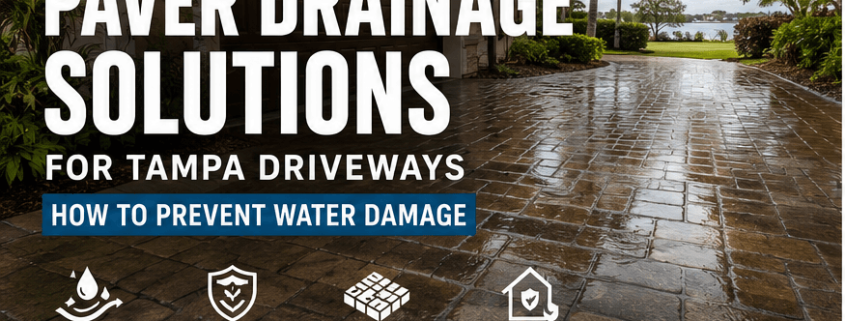
Poor driveway drainage can create serious problems for Tampa homeowners. If water sits too long on your pavers, flows toward your garage, washes sand from the joints, or collects in low spots, it may be time to consider paver drainage solutions Tampa homeowners can use to protect their driveway. Driveway paver drainage is not just about avoiding puddles. It also helps prevent paver water damage, standing water on driveway pavers, sand washout around pavers, and sunken driveway pavers.

Tampa’s rain, humidity, and storm-heavy seasons can make small driveway issues worse over time. A small puddle may not look serious at first. However, repeated water exposure can weaken the base below your pavers, move joint sand, create algae growth, and lead to uneven areas. The good news is that many drainage problems can be corrected before the driveway needs major repair.

If your driveway pavers are already uneven, loose, or sinking, professional paver repair in Tampa may help correct the damaged areas before the problem spreads.

Why Driveway Paver Drainage Matters in Tampa

A paver driveway is built as a system. The surface pavers, joint sand, base material, slope, edge restraints, and surrounding soil all work together. When one part of that system fails, water may stop moving where it should.

For Tampa homes, driveway paver drainage matters because water can collect quickly during heavy rainfall. If the driveway does not have the right slope or the base has settled, runoff may stay trapped on the surface. Over time, this can cause stains, loose pavers, sand loss, and low spots.

Good drainage helps move water away from your driveway, garage, entryway, and foundation areas. It also helps protect the appearance and stability of your paver surface. For broader stormwater education, homeowners can also review the EPA’s green infrastructure guidance, which explains how permeable surfaces and other drainage-friendly systems help manage stormwater where it falls.

Common Signs Your Tampa Driveway Has a Drainage Problem

Some driveway drainage problems are easy to notice. Others start small and become more visible after several storms. Here are signs homeowners should watch for.

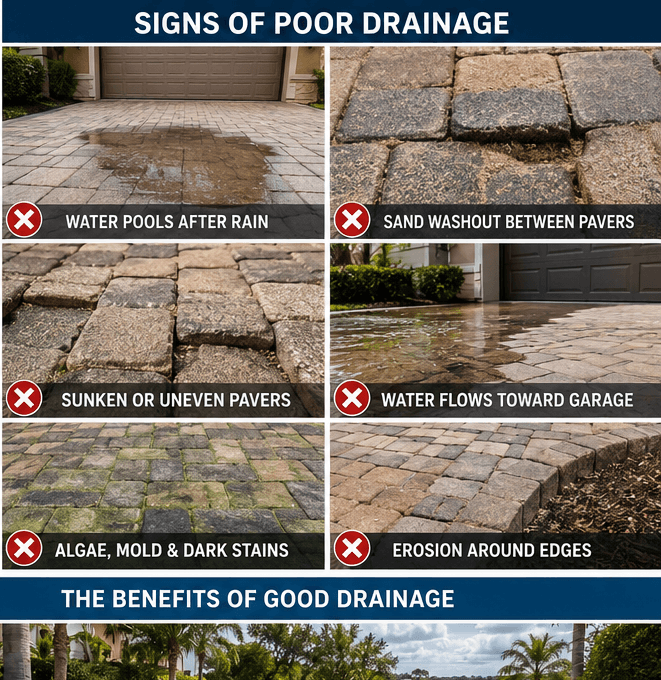
Water Pools on the Driveway After Rain

Standing water on driveway pavers is one of the clearest warning signs. If puddles remain long after the rain stops, your driveway may have low spots, poor grading, blocked drainage paths, or base settlement.

Small puddles may seem harmless, but repeated pooling can create surface staining and moisture issues. It can also make the driveway slippery in shaded areas.

Sand Washes Out Between Pavers

Sand washout around pavers is another common sign of poor water flow. When rainwater moves too quickly across the driveway or drains through weak joints, it can carry joint sand away.

Once sand loss begins, the pavers may loosen. Weeds may also grow faster in open joints. If the problem continues, the driveway can shift or settle.

Pavers Start Sinking or Rocking

Sunken driveway pavers often point to a base or drainage problem beneath the surface. When water enters the base and does not drain properly, the material below the pavers can move, compact unevenly, or wash away.

You may notice pavers rocking under your tires, low spots near the garage, or uneven edges along the driveway. These signs should not be ignored. If this is already happening, visit the Paver Repair Tampa FL page to learn more about repair options.

Water Flows Toward the Garage

Your driveway should guide water away from the home whenever possible. If rainwater flows toward the garage door, front entry, or foundation area, the slope may need correction.

This issue is especially important because it can affect more than the driveway surface. Water near the home can create additional moisture concerns.

Algae, Mold, or Dark Stains Appear

Moisture that stays on pavers can create dark spots, algae, or mildew, especially in shaded areas. Cleaning may remove the surface buildup, but if drainage is the root cause, the stains may return.

For surface buildup, stains, and outdoor cleaning needs, homeowners can also review Paver Rescue LLC’s full home pressure washing service in Tampa FL.

What Causes Poor Paver Drainage?

Before choosing the right paver drainage solutions Tampa homeowners should understand what is causing the issue. Drainage problems can come from several sources.

Incorrect Slope

Slope is one of the most important parts of driveway drainage. If the driveway is too flat or slopes toward the wrong area, water will not drain properly.

A professional can check whether the surface has enough pitch to move water away from the driveway and home.

Settled Base Material

The base below your pavers can settle over time. Heavy vehicles, repeated storms, soil movement, and poor installation can all contribute to base problems.

When the base settles, low spots form on the surface. These low spots collect water and may eventually lead to sunken driveway pavers.

Weak or Missing Joint Sand

Joint sand helps stabilize the pavers. When the sand washes out, water can enter the joints more easily. This can lead to paver movement, weed growth, and base erosion.

Sand washout around pavers is often both a symptom and a cause of drainage problems.

Poor Edge Support

Driveway edges need proper restraint. If the edges are weak, water can escape through the sides and carry base material or sand with it. Over time, the outer pavers may shift or sink.

Downspouts Draining Onto the Driveway

Sometimes the driveway itself is not the only issue. Roof runoff from downspouts can dump large amounts of water onto pavers. This can create repeated washout, stains, and erosion in one area.

Redirecting downspouts may be part of the drainage solution.

Best Paver Drainage Solutions Tampa Homeowners Should Consider

The right solution depends on the cause of the problem. Some driveways need simple correction. Others need paver repair, base work, or drainage improvements.

Correct the Driveway Slope

If the driveway does not drain properly because of slope, the affected area may need to be lifted and regraded. This can help guide water away from the garage, entryway, or low spots.

Slope correction is especially useful when water repeatedly pools in the same area.

Re-Level Sunken Pavers

For sunken driveway pavers, the damaged section may need to be lifted, the base corrected, and the pavers reset. This is more effective than simply adding sand to the surface.

Professional leveling helps restore the driveway’s shape and improves water flow. For larger driveway projects or replacement sections, homeowners can also explore Tampa paver installation services.

Replace Lost Joint Sand

If joint sand has washed out, the driveway may need proper cleaning and re-sanding. In some cases, polymeric sand may help stabilize the joints better than loose sand.

However, re-sanding should happen only after the drainage issue is understood. Otherwise, the new sand may wash out again.

Improve Water Runoff Paths

Some driveways need a better path for water to move away from the surface. This may include adjusting nearby soil, improving the edge area, clearing blocked runoff areas, or redirecting water away from the driveway.

The goal is simple: water should leave the driveway instead of sitting on it or running through weak joints.

Add Drainage Features When Needed

For more serious drainage problems, a contractor may recommend channel drains, French drains, or other drainage improvements. These solutions help move water away from the driveway and into a controlled area.

This can be useful for driveways that collect water near the garage, sit at the bottom of a slope, or receive runoff from nearby landscaping. UF/IFAS also provides helpful information about permeable pavement systems and how they can support stormwater movement in the right conditions.

Redirect Downspouts

If roof water is draining onto the driveway, downspout extensions or underground drainage may help. Redirecting that water can reduce driveway water damage and prevent repeated sand loss.

This is a simple but often overlooked step.

How Poor Drainage Damages Driveway Pavers Over Time

Poor drainage does not always cause instant damage. In many cases, the driveway slowly changes after repeated rain.

First, water collects in low areas. Then joint sand begins to loosen or wash away. After that, pavers may shift, rock, or sink. If the base continues to weaken, the driveway can become uneven and harder to repair.

Moisture can also encourage weeds, algae, and stains. These surface issues may make the driveway look older than it is.

That is why paver drainage solutions Tampa homeowners choose should focus on the root cause, not only the surface appearance.

Can Paver Sealing Help With Drainage?

Paver sealing can help protect the surface and stabilize joint sand, but it is not a replacement for proper drainage. If water is already pooling, slope and base issues should be addressed before sealing.

Sealing over a drainage problem may trap moisture or fail to solve the real issue. The better approach is to inspect the driveway, correct drainage or repair concerns, clean the surface, re-sand the joints if needed, and then apply sealer when appropriate.

For homeowners planning to seal after drainage issues are corrected, Paver Rescue LLC offers paver sealing services in Tampa FL and local paver sealing in Tampa.

Maintenance Tips to Prevent Driveway Drainage Problems

Homeowners can reduce drainage issues with simple maintenance.

  • Check your driveway after heavy rain and look for puddles, sand movement, or water flowing toward the garage.
  • Keep nearby drains, edges, and runoff paths clear of leaves, mulch, soil, and debris.
  • Avoid aggressive pressure washing that can remove joint sand and weaken paver stability.
  • Watch for low spots, rocking pavers, or repeated sand washout around pavers.
  • Schedule repairs before small drainage problems spread across larger driveway sections.

Homeowners who want additional Florida-friendly stormwater tips can review UF/IFAS guidance on stormwater runoff and landscape-friendly drainage choices.

When to Call a Professional

You should call a professional if water keeps pooling in the same area, driveway pavers are sinking, sand keeps washing out, or water flows toward your home.

A professional can look at the slope, base, joints, edges, and surrounding drainage. This helps identify whether the driveway needs repair, re-leveling, re-sanding, sealing, or a more complete drainage solution.

For Tampa homeowners, this type of inspection is especially helpful before rainy season or before investing in cleaning and sealing.

If you are dealing with a city drainage concern beyond your property, such as blocked public drainage structures or street drainage backup, you can also review the City of Tampa’s improper drainage or backup issue resource.

FAQs About Paver Drainage Solutions in Tampa

Why is water pooling on my driveway pavers?

Water pooling usually means the driveway has a low spot, poor slope, blocked runoff path, or base settlement. Standing water on driveway pavers should be checked because it can lead to stains, sand washout, and uneven areas.

Can poor drainage cause sunken driveway pavers?

Yes. Poor drainage can allow water to weaken or move the base beneath the pavers. Over time, this can create sunken driveway pavers, rocking pavers, and uneven driveway sections.

Is sand washout around pavers a serious problem?

Yes, it can become serious if ignored. Sand washout around pavers can make joints unstable, allow weeds to grow, and let more water reach the base. Re-sanding may help, but the drainage cause should be corrected first.

Should I seal my driveway pavers if they have drainage problems?

It is better to fix drainage problems before sealing. Sealing can help protect pavers and joint sand, but it will not correct poor slope, base settlement, or standing water issues.

What is the best way to prevent paver water damage?

The best way to prevent paver water damage is to maintain proper slope, keep joints filled, repair sunken areas early, redirect downspouts, and make sure water drains away from the driveway.

Do Tampa driveways need special drainage planning?

Tampa driveways can benefit from proper drainage planning because heavy rain, humidity, and storm runoff can affect paver surfaces. A driveway that drains correctly will usually be easier to maintain and less likely to develop water-related damage.

Final Thoughts

The best paver drainage solutions Tampa homeowners can choose are the ones that fix the real cause of the problem. Standing water, sand washout, low spots, and sunken driveway pavers are warning signs that your driveway may need attention.

If your paver driveway is holding water after rain or showing signs of drainage damage, Paver Rescue LLC can help inspect the surface and recommend the right next step. Whether your driveway needs paver repair, re-sanding, cleaning, sealing, or drainage correction, taking action early can help protect your outdoor investment.

You can also view recent paver projects for inspiration or visit the FAQ page for more common homeowner questions.

Need help with drainage problems, sunken driveway pavers, sand washout, or paver water damage? Contact Paver Rescue LLC for professional paver help in Tampa and nearby Tampa Bay communities.

paver restoration home value lutz fl

Land O’ Lakes, Tampa, Carrollwood, and Lutz all experience periods of heavy rainfall and standing water — especially during storm season. However, most homeowners are unaware that poor drainage can eventually lead to sinking pavers, joint erosion, and even foundation problems.

In this guide, we’ll explain how to prevent water damage to your pavers and protect your outdoor space from costly repairs.


Why Drainage Matters (Especially in Land O’ Lakes)

Excess water can weaken your paver base and wash sand from joints. Furthermore, it can promote algae, mold, and surface stains. If left untreated, the damage becomes more expensive to fix over time.

Signs Your Pavers Have Drainage Problems

Sign

Problem

Standing water after rain

Poor slope & drainage

Weeds & algae growth

Moisture retention

Sinking or shifted pavers

Base erosion

White haze

Moisture trapped under sealer

Best Solutions to Fix Drainage Issues

Improve Slope for Water Flow

Water should move away from your patio or pool deck. Many homes in Land O’ Lakes and Carrollwood are built with minimal slope, which must be corrected using graded installation.

Use Permeable Pavers

Permeable systems allow water to drain through — making them ideal for Tampa & Lutz homeowners with recurring water buildup.

Add French Drains or Channel Drains

Moreover, drainage systems can direct water into controlled areas instead of washing out paver joints and base layers.


Check This Out:

Before spending money on replacement, it’s worth checking if your pavers can be restored instead.

👉 Read this next:

Paver Restoration vs Replacement – Which Is Better for Tampa Homeowners?


What EPA Recommends for Stormwater Protection

According to the U.S. Environmental Protection Agency, proper paver installation and runoff control can prevent erosion and protect Florida homes from long-term structural damage.

👉 Source: https://www.epa.gov/nps


Final Thoughts

Drainage impacts both the lifespan and safety of your pavers. For this reason, many homeowners in Land O’ Lakes, Tampa, Carrollwood, and Lutz schedule drainage evaluations before the rainy season begins.

👉 Need drainage and paver inspection? Paver Rescue can help. Get a free assessment today.